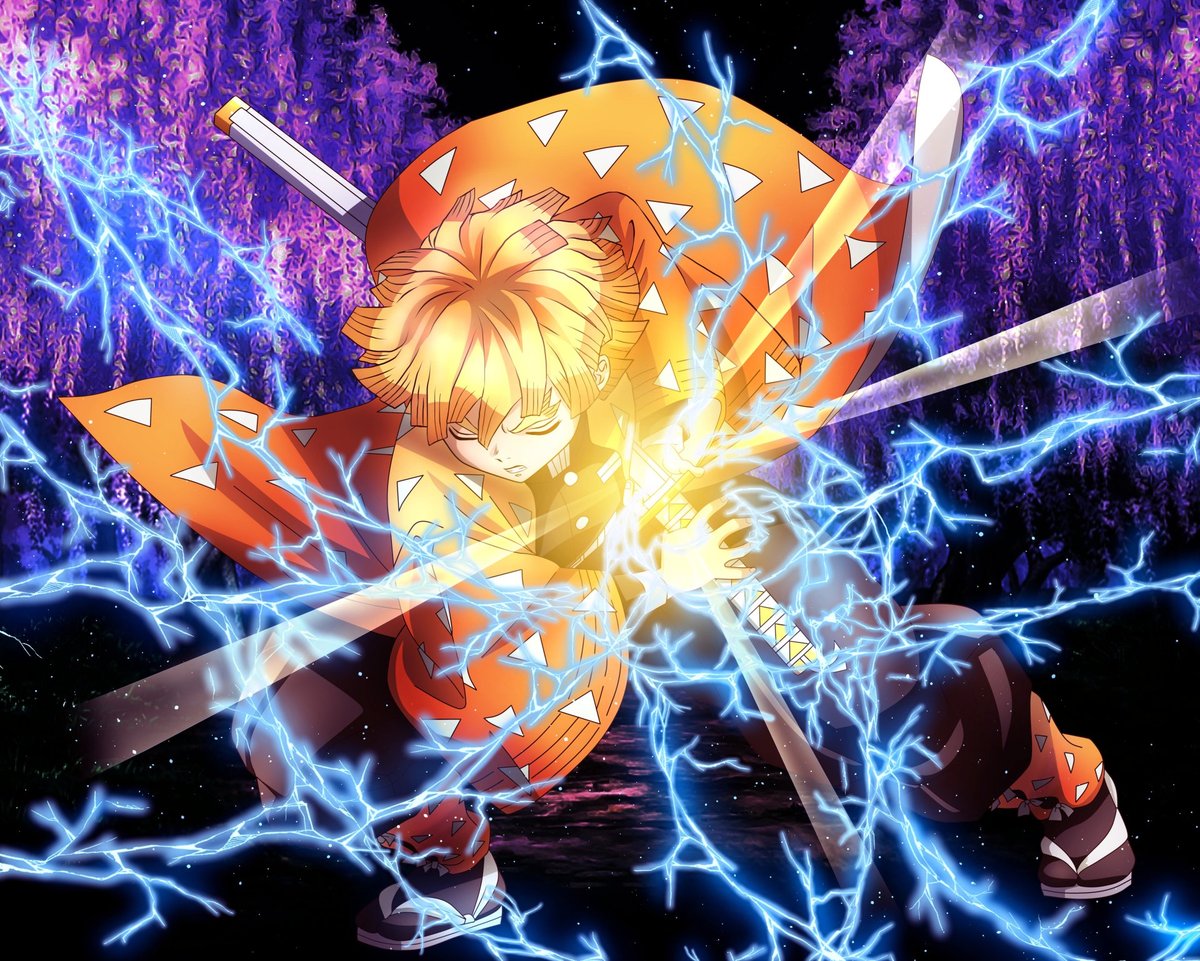
If you've found yourself scratching your head, wondering if the electrifying Zenitsu Agatsuma from Demon Slayer: Kimetsu no Yaiba makes a surprise appearance in the gritty world of Tokyo Revengers, you're not alone. It's a common query that sparks curiosity among anime fans, given the immense popularity of both series. However, the short answer is straightforward: Zenitsu Agatsuma is not, and has never been, a character in Tokyo Revengers.
These two phenomenal anime series, while captivating millions worldwide, originate from entirely different creative universes, penned by distinct authors and set in vastly dissimilar realities. Our flagship super pillar hub is here to unravel this misconception, explain who Zenitsu truly is, and dive deep into why a crossover between his demon-slaying world and Tokyo's time-traveling gang conflicts is simply not possible within their established canons. To truly appreciate the distinct charm of each universe, it helps to first understand the foundations. If you're ready to get started, you can [dive into the world of Demon Slayer] to grasp the setting that defines Zenitsu's existence.
Who is Zenitsu Agatsuma? A Quick Look at the Thunderclap Hero
Before we fully address why Zenitsu can't join the Tokyo Manji Gang, let's properly introduce him. Zenitsu Agatsuma is one of the beloved main characters from Koyoharu Gotouge's Demon Slayer: Kimetsu no Yaiba. He's a Demon Slayer within the formidable Demon Slayer Corps, a loyal companion to Tanjiro Kamado, Nezuko Kamado, and Inosuke Hashibira on their perilous journey. His distinctive yellow hair, a quirky result of being struck by lightning during training, hints at the electric power he wields.
From Coward to Courageous: Zenitsu's Transformation
Initially, Zenitsu is portrayed as deeply anxious, a self-proclaimed coward with incredibly low self-esteem. He often frets about his dangerous profession, convinced he'll meet an early demise. Yet, this very fear ironically unlocks his true potential. When overwhelmed by danger, Zenitsu often faints, and in this unconscious state, he transforms into a serene, precise, and incredibly skilled fighter, capable of dispatching powerful demons with startling ease. His journey isn't just about fighting demons; it's about conquering his own fears. For a deeper look at how his character evolved, you'll want to [understand Zenitsu's incredible journey of growth].
Over the course of the series, driven by a profound sense of responsibility towards his friends and a deep respect for his late mentor, Jigoro Kuwajima, Zenitsu gradually learns to fight while conscious. This transformation culminates in his epic battle against Kaigaku, where he demonstrates newfound maturity and unyielding resolve. You can also [explore Zenitsu's origins and early struggles] to see how his unique journey began.
The Power of Thunder Breathing: Zenitsu's Signature Abilities
Zenitsu's primary combat technique is Thunder Breathing, a formidable sword style. While he initially only mastered the First Form: Thunderclap and Flash, he refined it into various devastating variations like "Sixfold," "Eightfold," and "Godspeed." His ultimate achievement is the creation of the Seventh Form: Flaming Thunder God, an unparalleled, devastating slash used to defeat Kaigaku. Beyond his sword skills, Zenitsu possesses an extraordinary sense of hearing, allowing him to detect danger, understand emotions, and even fight effectively while unconscious. To truly appreciate his combat prowess, we recommend you [master the specifics of Thunder Breathing].
Bonds That Forge a Hero: Zenitsu's Relationships
Zenitsu's relationships with Tanjiro, Nezuko, and Inosuke are central to his development. He looks up to Tanjiro as an inspiration and leader, though his interactions with the impulsive Inosuke are often filled with comedic bickering due to their contrasting personalities. Despite their differences, the trio forms a profound bond of mutual respect and effective teamwork. Zenitsu also harbors a strong, often comically over-the-top, affection for Nezuko, instinctively rushing to protect her at every turn. If you're interested in the dynamics that shaped him, [learn more about Zenitsu's crucial relationships]. Zenitsu plays a crucial role in the final battles of the series, joining the fight against Muzan Kibutsuji, ultimately contributing to the Demon King's defeat. He and Nezuko eventually marry, leading a peaceful life after the war. Don't miss the details of his heroism; [revisit Zenitsu's pivotal contributions in the final arc].
Why Zenitsu Agatsuma Doesn't Belong in Tokyo Revengers
Now that we have a clear picture of Zenitsu, the core reason for his absence in Tokyo Revengers becomes abundantly clear: they are set in two entirely different genres and universes with fundamentally incompatible rules.
Two Worlds Apart: The Fundamental Differences
Demon Slayer is a historical fantasy series steeped in supernatural elements, where sword-wielding warriors battle demons with unique abilities. The setting is early 20th-century Japan, but with a fantastical twist. Tokyo Revengers, on the other hand, is a contemporary action-drama with a science fiction twist (time travel), focusing on gang warfare, loyalty, and redemption in modern and near-past Japan. There are no demons, no breathing techniques, and certainly no fantastical powers like Thunder Breathing in Takemichi Hanagaki's world. To get a comprehensive breakdown, you can [see a direct comparison between the two anime worlds].
The Magic vs. Reality Divide: No Room for Thunder Breathing
Imagine Zenitsu, with his lightning-fast Thunder Breathing techniques and demon-slaying sword, attempting to join a street brawl with the Toman gang. It simply wouldn't make sense. His powers, designed to combat supernatural threats, would be completely out of place and overpowered in a series grounded in realistic (albeit exaggerated) gang fights and the consequences of human choices. The integrity of both narratives relies on their distinct rule sets. Zenitsu exists where demons roam; Takemichi lives in a world of delinquents and time leaps. For a full explanation, [delve deeper into why Zenitsu doesn't appear in Tokyo Revengers].
What If? Exploring Crossover Appeal and Fan Theories
Despite the clear separation, the idea of characters from different series meeting is a fun thought experiment for fans. The sheer popularity and distinct personalities of characters like Zenitsu naturally lead to discussions about hypothetical crossovers. What if he could exist in the Tokyo Revengers universe? Would his bravery (when unconscious) translate to leadership in a gang? Would his anxiety be amplified or quelled by the time travel paradoxes? These are intriguing questions that fuel fan art, fan fiction, and lively discussions within the anime community. If you love speculating, [explore popular fan theories and crossover discussions].
Your Guide to Understanding Zenitsu and Crossover Realities
While Zenitsu Agatsuma won't be joining Takemichi on his quest to save Hinata, understanding the separate worlds they inhabit only deepens our appreciation for both Demon Slayer and Tokyo Revengers. Each series offers a unique narrative experience, rich characters, and compelling themes that stand strong on their own. We hope this hub has clarified any confusion and helped you navigate the distinct yet equally enthralling universes of these two anime giants. For any lingering questions, be sure to [get answers to frequently asked questions about Zenitsu crossovers].
So, while Zenitsu will continue to electrify the demon world, and Takemichi will keep leaping through time to fix his past, we can appreciate both their journeys from afar, celebrating their unique contributions to the anime landscape without expecting them to cross paths. The beauty of anime lies in its endless creativity, presenting us with countless worlds to explore, each with its own unforgettable heroes.